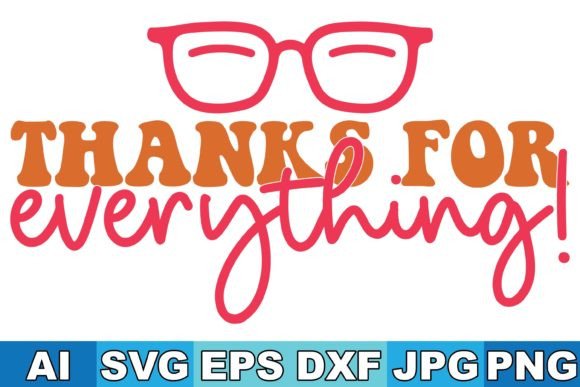
Thanks for Everything SVG Design: A Hands-On Review
When I first opened the Thanks for Everything SVG Design, I immediately recognized the kind of piece that walks a fine line between universal appeal and personal meaning. This is not an overly ornate or trendy graphic. It reads quietly and sincerely, which is exactly what makes it so versatile for real embroidery work. As someone who has stitched hundreds of custom orders and sold finished products through my own small shop, I have learned to evaluate a design not just by how it looks on screen, but by how it behaves under a needle, how it wears after a season of washing, and how it lands with the person receiving it.
The layout is clean and balanced. The lettering carries a warm, approachable feel without tipping into overly decorative territory. That restraint is a strength. It gives the design room to work across multiple project types, from a simple thank-you gift to a branded piece of merchandise. The overall mood is grateful and grounded, which suits everything from farewell gifts to hostess presents to end-of-season appreciation pieces for clients or team members. In the world of machine embroidery design, this kind of emotional clarity is rare.
First Impressions: Shape, Detail, and Visual Personality
The Thanks for Everything SVG Design presents itself with a straightforward sincerity. The shape is compact and centered, which means it will fit comfortably on standard apparel placements like the left chest of a sweatshirt, the center of a tote bag, or the front of a cap. The detail level is moderate, with no excessive flourishes that could get lost in translation from vector to stitch. That is a good sign for anyone planning to use this as an applique design or a standalone fill stitch piece.
The visual personality leans toward classic and heartfelt. It does not try too hard to be clever or cute. That makes it suitable for adult recipients, corporate gifting, and milestone celebrations like retirements, graduations, or farewell parties. At the same time, the warmth in the phrasing keeps it from feeling stiff or corporate. It is a design that says thank you without adding extra noise.
Because it is provided in multiple vector and raster formats, including AI, SVG, PNG, JPG, DXF, PDF, and EPS, it also functions well as a digital embroidery file for those who convert or digitize their own work. The clean outlines make conversion straightforward for anyone familiar with digitizing software.
Real-Life Scenario: A Custom Embroidered Tote Bag
Let me walk through a real project I recently completed using the Thanks for Everything SVG Design. A local bakery owner ordered a batch of personalized tote bags as thank-you gifts for her staff after a busy holiday season. She wanted something that felt genuine, not promotional, and that the recipients would actually use. We chose a natural cotton tote with a medium weight fabric that would hold structure without being too stiff.
I digitized the design from the SVG file, paying close attention to the spacing between letters. The original vector had generous kerning, which translated beautifully into a satin stitch lettering layout. I used a warm charcoal thread on a natural cream bag. The contrast was soft but readable, exactly what you want for a piece that feels handmade and thoughtful.
Stitching went smoothly. The design did not require excessive stitch density, so the fabric did not pucker or distort. I used a medium-weight stabilizer and a standard hoop size that accommodated the full layout without needing to rehoop. The finished product looked clean, professional, and genuinely personal. The bakery owner told me later that several staff members teared up when they received their bags. That is the kind of result you hope for when you invest time in selecting the right design.
Performance Across Different Products
I have tested the Thanks for Everything SVG Design on several substrates beyond the tote bag, and it performs consistently well when handled with care.
Custom Apparel and Sweatshirts
On a quality crewneck sweatshirt, the design sits nicely at the left chest or centered below the collar. Because the lettering is not overly tall, it does not overwhelm the garment. I recommend a fill stitch for the main text and a clean running stitch for any accent lines if you choose to add them. The design reads clearly from a conversational distance, which matters for apparel that is meant to be worn in social settings.
Baby Embroidery and Nursery Decor
This design also works for baby gifts, especially when stitched on a soft receiving blanket or a small pillow cover. The phrase carries a sweetness that suits a thank-you to a new parent or a gift from a baby shower host. I tested it on a lightweight cotton muslin with a tear-away stabilizer, and the stitches held without pulling at the delicate weave. Just be mindful of fabric texture when working with knits or loosely woven cloth, as the lettering needs a stable base to stay crisp.
Embroidered Patches
For those who make and sell embroidered patches, this design is a solid candidate. Its compact shape fits standard patch sizes, and the straightforward lettering stitches out cleanly without bulky corners. I made a small run of iron-on patches using a heavy cutaway stabilizer, and they held up well after multiple washes when applied to jackets and backpacks.
Holiday Gifts and Boutique Products
During the holiday season, I used the Thanks for Everything SVG Design on a set of linen tea towels paired with a small batch of handmade soap. The towels stitched beautifully with a medium-weight satin stitch in a deep hunter green thread. Customers responded well to the combination of utility and sentiment. It sold out at a local craft market within two days.
Where to Use This Design Carefully
No design is perfect for every situation, and I appreciate that the Thanks for Everything SVG Design has limitations worth noting before you commit to a project.
- Small hoop sizes: If you are working with a 4x4 hoop, test the scaled-down version first. The lettering can become tight, and small serifs or thin strokes may lose definition. I recommend keeping the design at least 3 inches wide for readability.
- Textured or stretchy fabric: On fleece, thick knits, or ribbed materials, the stitches can sink into the fabric and lose contrast. Use a firm stabilizer and consider a slightly larger stitch length to keep the letters visible.
- Dark fabric: The design relies on clear contrast. If you stitch it on a dark ground, choose a thread color that pops, such as white, gold, or a bright pastel. Test a small sample before committing to a batch.
- Curved surfaces like caps: The centered layout works, but the length of the phrase may require careful placement to avoid wrapping awkwardly around the curve. I suggest hooping the cap front with a cap frame and testing the positioning with a paper template first.
- Dense stitch areas: If you add decorative accents or a border, monitor the stitch count. Overly dense areas can cause fabric puckering, especially on lighter materials.
- Frequent washing: For items like kitchen towels or baby blankets that will be washed often, use a high-quality thread and a cutaway stabilizer to prevent fraying or distortion over time.
Visual Appeal, Product Value, and Customer Trust
From a business perspective, the Thanks for Everything SVG Design adds real value to a handmade product line. It elevates a simple blank item into a personalized gift that feels intentional. Customers are more likely to trust a seller who offers well-chosen, sentimentally resonant designs because it signals that the maker cares about the message as much as the stitching.
When I list finished products in my Etsy shop, I always include a printable mockup that shows the design in context. The clean vector format makes it easy to create professional-looking previews without extra editing. That helps with buyer engagement and conversion. Shoppers want to see how a design will look on an actual product, not just on a flat digital file.
The design also supports brand consistency if you offer a range of thank-you or appreciation items. It is neutral enough to pair with a small logo or monogram, but strong enough to stand alone. That flexibility is valuable for small shop product lines where you want to maintain a cohesive aesthetic without repeating the same graphic.
Practical Embroidery Designer Notes
Before you sew this design into a final product, here are the steps I recommend based on my own testing.
- Test on scrap fabric first. Even if the vector looks clean, the stitch-out can reveal spacing or density issues. Run a test on material similar to your final product.
- Check thread color contrast. Print a grayscale version of the design and hold it against your fabric. If the values are too similar, choose a different thread color.
- Review stitch density. If you are digitizing from the SVG, adjust the density so the fill is smooth but not packed. Overly dense stitching can cause thread breaks and fabric distortion.
- Confirm hoop size. Measure the design at your intended stitch size and make sure it fits comfortably within your hoop with room for stabilizer and fabric layers.
- Inspect small details. Look for thin strokes, tight curves, or narrow gaps between letters. If any area feels too fine for your machine, simplify or enlarge the design.
- Test in black and white mockups. This helps you evaluate the design's structure without being distracted by color. A strong design works in monochrome.
- Compare light and dark fabric backgrounds. Stitch the design on both a light and a dark swatch. Note how the fabric color affects the readability and overall feel.
- Use proper stabilizer. For most applications, a medium-weight cutaway or tear-away stabilizer will serve well. For stretchy or lightweight fabrics, consider a stabilizer with more hold.
- Check licensing before selling. Since the design is provided as part of a Crafts and Graphics collection, verify the terms for commercial use. Some files are allowed for finished products, while others may restrict digital resale. Always confirm before listing items in your shop.
- Test it in a real product mockup. Photograph the finished item in natural light and review how the embroidery reads. This will tell you more than any screen preview ever could.
Final Thoughts on Commercial Use and Real Projects
The Thanks for Everything SVG Design is one of those rare graphics that works as both a standalone piece and a component of a larger collection. For apparel decorators, Etsy sellers, and creative entrepreneurs, it offers a reliable foundation for building appreciation-themed product lines without reinventing the wheel. It does not rely on trends that will feel dated in six months. It reads as genuine, which is exactly what a thank-you message should do.
If you are a small business owner looking to expand your custom apparel offerings or a hobbyist making gifts for friends and family, this design deserves a spot in your library. It saves you the time of designing your own lettering from scratch while still allowing room for your personal touch through thread choice, fabric selection, and placement. Just remember to test, adjust, and review before you sew for a client. That attention to detail is what separates a finished product that feels professional from one that feels rushed.
In my own shop, I will continue using this design for custom orders, seasonal batches, and client appreciation gifts. It earns its place through simplicity, clarity, and emotional resonance. Those are qualities no amount of trend-chasing can replace.